Resource

Traditional window cleaning skill still wins jobs.

Commercial window cleaning equipment including waterfed tools, squeegees, poles, filtration, and drone-supported access.

Built from field experience Real jobs, not hype Drone, waterfed, skid, chemistry, and traditional tools
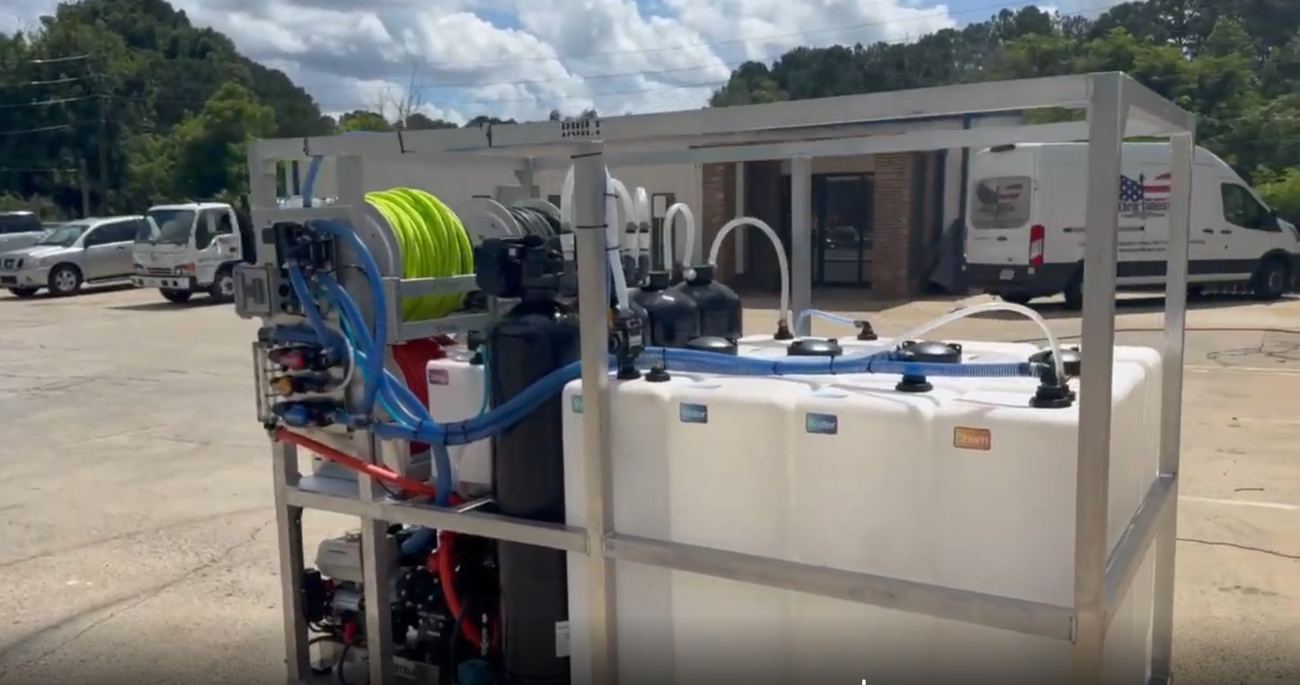
Field-built exterior cleaning system

Operator context

Commercial Window Cleaning Equipment

Squeegees, waterfed systems, detail tools, and experienced window cleaners remain essential. Drone-supported cleaning works best when it respects the trade instead of trying to replace it.

FitMatch the method to the job.Commercial window work is chosen by finish standard: waterfed, traditional, drone-supported, or hybrid depending on glass condition and access.
SystemThink in complete systems.The equipment stack should include water production, finishing tools, detail supplies, access planning, and operator judgment.
Next stepUse the right buying path.Use this guide to sort the tool stack, then choose equipment that matches the route and the glass you actually service.

Window cleaning system stack

Drone, waterfed, and traditional tools should work together.

The best commercial window cleaning setup is not one tool. It is a stack of methods that lets crews handle height, production, edges, frames, water quality, and detail expectations.

Drone-supportedReach and production on the right exterior glass.Useful when access is difficult, surfaces are repeatable, water and staging are controlled, and the finish expectation matches aerial cleaning.
Waterfed polesPure-water detail and ground-supported reach.Critical for lower elevations, edges, entrances, and areas where operator contact and brush agitation improve the result.
Traditional toolsSqueegees, pads, scrapers, towels, and detailing.Still necessary for close-contact quality, interior work, first cleans, construction debris, and customer-facing detail zones.

Window stack

Commercial window cleaning still requires craft.

Drone-supported systems can help with reach and production, but commercial glass still depends on water quality, agitation, detailing, and the judgment of window cleaners.

Pure waterUse filtration and testing to prevent spotting.DI or RO/DI planning matters most when glass is exposed, hot, hydrophobic, or previously contaminated.
Hand finishSqueegees, pads, scrapers, towels, and inspection remain essential.Entrances, frames, fingerprints, construction debris, and first cleans need traditional skill.
Do not skipNever promise drone-only perfection on detailed glass.Aerial cleaning is a production tool, not a replacement for every finish standard.

Equipment decisions

Buy around the glass you actually service.

A high-rise route, a storefront route, a campus, and an apartment complex all need different balances of reach, detail, water production, and setup speed.

Route workFavor speed, compact staging, spares, and repeatability.The crew needs a system that unloads quickly and survives daily use.
Large buildingsFavor water production, hose planning, and access review.A bigger building punishes weak flow and unclear crew roles.
Premium glassFavor test panels, finishing tools, and a slower quality pass.Luxury, hospitality, and customer-facing glass need a finish plan before production speed.

Commercial glass checklist

Choose the method by finish standard and access reality.

Commercial window cleaning becomes more profitable when the crew knows which parts are drone-supported, which are waterfed, and which require traditional hand finish.

Maintenance glassRepeat accounts can be optimized for route speed.Use: pure water, efficient pole work, planned drone-supported sections, quick inspection, and a repeatable closeout photo process.
First cleansExpect more contact, testing, and detail.Use: pads, squeegees, scrapers where appropriate, waterfed follow-up, surface checks, and slower quality control before quoting routine pricing.
High or complex glassSeparate production zones from detail zones.Use: drone support where it fits, waterfed or access equipment for edges and frames, and traditional tools where the customer sees every mark.

Next step

Design the window stack before buying tools.

The best equipment plan is built around glass type, working height, water quality, route speed, and finish standard.