Training

Training protects the equipment investment.

Field-built drone cleaning business training, equipment training, water system training, chemistry awareness, and operator workflow.

Built from field experience Real jobs, not hype Drone, waterfed, skid, chemistry, and traditional tools
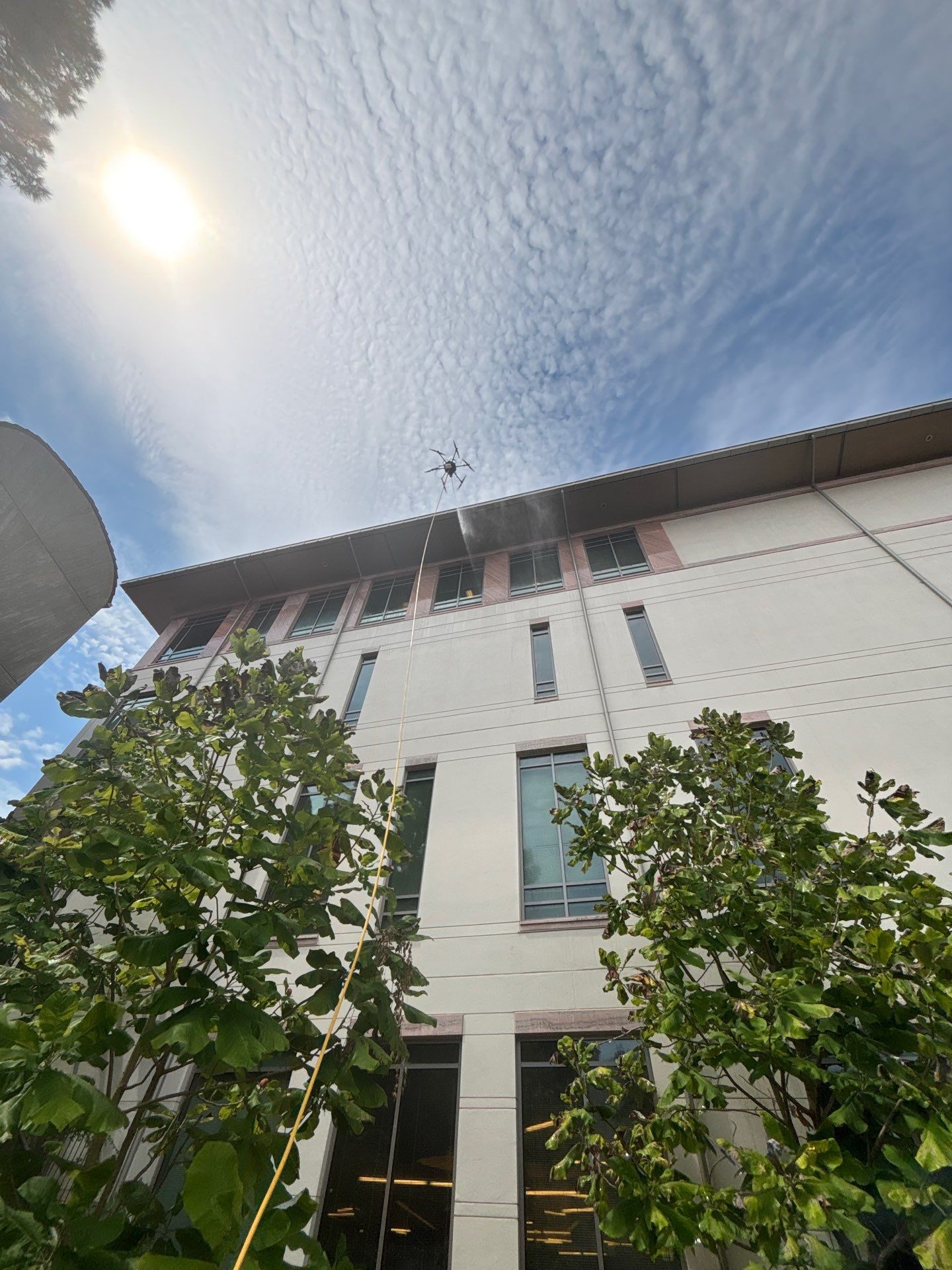
Field-built exterior cleaning system
Not just flightTraining should protect the whole business.Operators need: water-system understanding, site control, chemistry awareness, job intake, customer communication, finish standards, and stop conditions.
Avoid bad buysGood training prevents expensive setup mistakes.Common misses: wrong pump, weak filtration, poor hose strategy, wrong first job type, unsafe staging, and oversold production claims.
Operator confidenceThe goal is repeatable decisions in the field.Next step: match training to the system, surface type, crew role, and commercial work you actually plan to sell.

Field readiness curriculum

Training should build judgment, not just stick time.

A drone cleaning operator needs to understand the work on the ground and in the air. Flight skill matters, but the job succeeds through setup discipline, water management, chemistry judgment, site control, and finishing standards.

Ground systemWater, pumps, hose, reels, and filtration.Operators learn how the support system feeds the drone, where flow gets restricted, and why pure water quality matters on glass and solar work.
Site controlWeather, people, property, and access.Professional training should cover preflight review, operating zones, client communication, photos, documentation, and handoff points.
Method honestyKnow when not to fly.Training should make operators better at saying no, recommending a hybrid approach, or using traditional tools when the drone is not the right answer.

Commercial readiness

Good training connects the job, the quote, and the outcome.

The goal is not to create a pilot who can spray water. The goal is to create an operator who can review a building, explain the method, prepare the system, protect safety, and deliver a professional result.

Before the jobReview the surface, access, and water.Collect photos, site constraints, story count, water source, surface material, finish expectation, schedule, and any restrictions before promising the method.
During the jobRun a repeatable workflow.Stage equipment, control hose movement, monitor weather, manage bystanders, document work, and keep backup tools ready for detail zones.
After the jobClose the loop professionally.Confirm finish standards, capture proof, note limitations, and use what the job taught you to improve future quotes and system design.

Training outcomes

A trained operator should leave with repeatable decisions.

Useful training produces a person who can review a site, prepare the system, fly within limits, manage water and hose, communicate with the customer, and know when the drone should not be used.

Pre-jobTurn intake into a work plan.Read photos, identify surfaces, estimate hose runs, confirm water, review weather, plan staging, flag compliance questions, and define what success looks like.
SetupMake the ground crew part of the flight.Tank fill, filtration, pump priming, hose path, reel control, battery cycle, emergency stop, crew communication, and backup tools all affect the flight.
OperationFly the cleaning pattern, not just the aircraft.Maintain standoff, overlap passes, watch runoff, avoid overspray, manage wind, keep visual line of sight, and stop when site conditions change.
HandoffFinish with the right tool.Know when frames, edges, entrances, and problem spots need waterfed or hand detail so the customer judges the result, not the novelty.
BusinessQuote what you can deliver.Training should improve pricing discipline, scope notes, customer education, and the courage to recommend a different method.
ComplianceUnderstand the rules that affect the promise.Commercial operators should understand Part 107 basics, airspace, visual line of sight, site control, and chemical application questions before selling work.

Training plan

Train around the first work you plan to sell.

A startup operator, a window cleaning company, a solar maintenance route, and a commercial service partner do not need the same first training emphasis.

New operatorBuild fundamentals before selling complex work.Focus: site assessment, flight discipline, water system basics, hose handling, finish expectations, and when not to quote.
Existing cleanerAdd drone support without abandoning trade standards.Focus: hybrid workflow, waterfed handoff, commercial glass quality, route efficiency, and customer communication.
Commercial teamStandardize roles, documentation, and stop conditions.Focus: crew communication, site control, insurance awareness, service review, closeout photos, and repeatable maintenance programs.

Next step

Pair the training plan with the system plan.

The operator should know why every component is in the build and how to run it under real job conditions.