Compliance and risk

Drone cleaning compliance, insurance, and risk guide

Professional drone cleaning is not just exterior cleaning with a flying tool. It combines aviation rules, site control, chemical decisions, runoff risk, insurance, documentation, and customer communication.

Part 107 awarenessChemical and runoff reviewInsurance and documentation
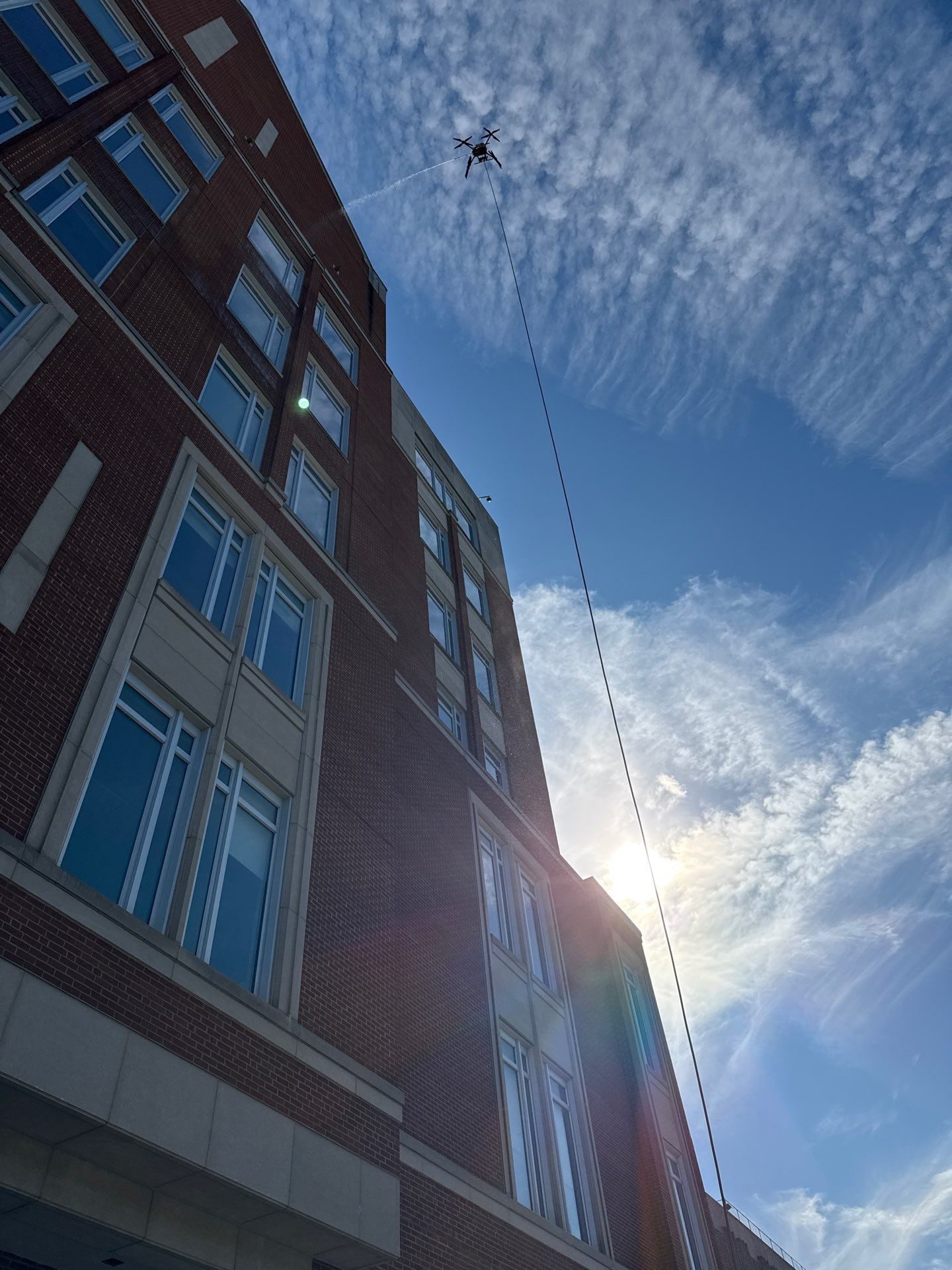
Drone-supported exterior cleaning compliance planning

Aviation rules

Start with what the drone is legally allowed to do.

Commercial operators should understand the operating environment before selling the job. In the United States that usually starts with Part 107, then expands depending on airspace, night operations, operations over people, payload, and chemical application.

Part 107Baseline commercial operation.Operators need certification, airspace awareness, visual line of sight discipline, preflight planning, and operating limits before they promise commercial work.
Chemical applicationSpraying chemicals can change the rule set.Dispensing soaps, bleach, surfactants, or other products from an aircraft may require additional review beyond basic flight rules. Do not assume a rinse-only workflow and a chemical workflow are regulated the same way.
Payload and advanced operationsWeight, people, night, and site complexity matter.Heavy systems, dense sites, public areas, industrial facilities, and complex operating windows may require more planning, documentation, or approvals.

Environmental risk

Runoff and drift are part of the method decision.

A cleaning plan should consider where water and chemistry go after application. Landscapes, storm drains, sidewalks, vehicles, pedestrians, and sensitive surfaces can all change the recommendation.

Water pathTrack rinse water from top to bottom.Know where runoff collects, what it contacts, and whether containment, recovery, dilution, or a different method is needed.
ChemistryUse the least risky product that can do the job.Surface material, soil type, dwell time, dilution, drift, and nearby vegetation should shape chemical selection and whether aerial application is appropriate.
DocumentationRecord the assumptions.Professional crews should document surface condition, weather, product use, limitations, photos, and customer expectations.

Insurance and buyer trust

Commercial buyers are buying risk reduction.

Property managers and enterprise buyers care about more than whether the drone can reach the glass. They care about liability, communication, scheduling, disruption, safety, and whether the operator can explain the method.

CoverageAsk what the policy actually covers.Drone work, exterior cleaning, chemical use, property damage, third-party injury, equipment loss, and subcontractor activity may involve different coverage questions.
Site controlReduce exposure before the job starts.Operating zones, cones, spotters, communication, signage, tenant notice, weather cutoffs, and emergency procedures reduce the chance of surprises.
Scope notesWrite down what is included and excluded.Frames, oxidation, mineral staining, restoration, first-clean expectations, water availability, and hand-detail limits should be clear before work begins.

Risk framing

Compliance is part of method fit.

Drone cleaning touches aviation, chemical application, environmental runoff, insurance, site safety, and local permissions. A useful guide should help operators recognize when to slow down and verify.

AviationCommercial drone work requires the proper pilot and operating framework.Operators should verify current rules for aircraft, site, weight, waiver needs, and local restrictions.
ChemistryApplying product from the air can trigger different requirements.Water-only, surfactants, bleach, and specialty products are not the same compliance conversation.
RunoffWater and chemical movement can create environmental risk.Containment, diversion, neutralization, or method change may be required depending on site conditions.

Practical controls

A professional job has stop points.

Crews should know what conditions pause work: unsafe wind, uncontrolled public exposure, unclear chemical permission, missing site authorization, poor visibility, or water discharge concerns.

Before workDocument site, method, products, roles, insurance, and weather limits.A written plan makes risk visible before the job starts.
During workMonitor wind, people, overspray, hose, aircraft, and water paths.The ground crew is as important as the pilot.
After workRecord exceptions, photos, product use, and maintenance recommendations.Good closeout protects the customer and the operator.

Compliance checklist

Verify the current rules before the job is sold.

Rules and insurance requirements can change by country, state, city, airspace, product type, and customer site. Treat this page as a practical review framework, not legal advice.

Aviation reviewPilot, aircraft, airspace, people, night, and operating limits.Document: who is responsible for flight decisions, what conditions pause work, and how the crew controls the operating area.
Chemical reviewWater-only, surfactant, bleach, and specialty products are different conversations.Document: product, dilution, surface, runoff path, landscaping protection, discharge concerns, and customer permission.
Insurance reviewConfirm coverage before claiming capability.Document: drone operations, exterior cleaning, chemical use, property damage, third-party injury, subcontractors, and proof-of-insurance requirements.

Next step

Use risk review to decide the method.

If risk is unclear, slow down. A professional review can still lead to drone-supported work, hybrid work, traditional access, or a no-bid decision.