Site assessment

Drone cleaning site assessment checklist

Use this checklist before requesting a quote, buying equipment for a job type, or sending a crew to review a commercial property.

PhotosAccessWater and finish expectations
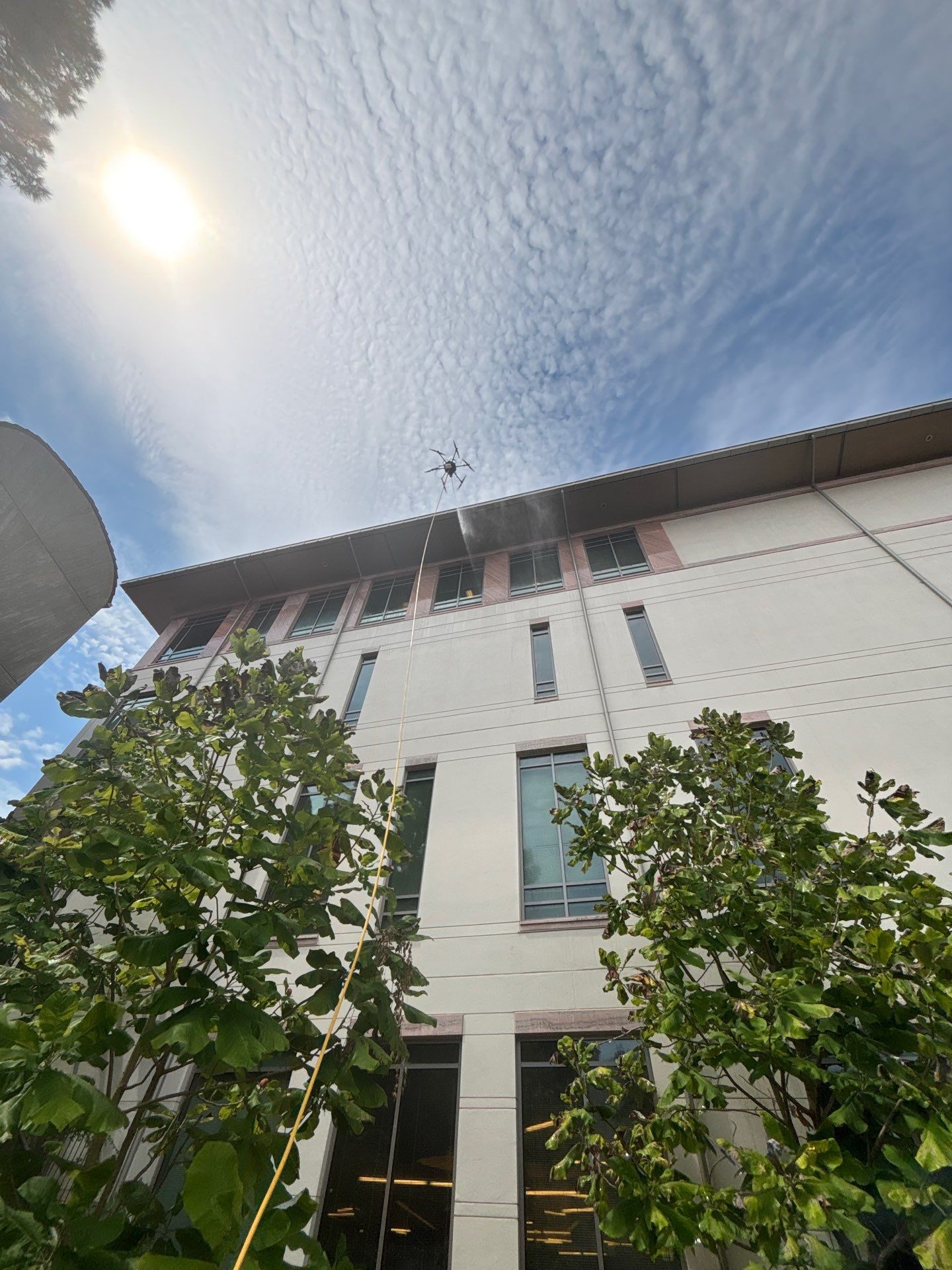
Drone cleaning site assessment for commercial building

What to collect

The review is only as good as the inputs.

Square footage alone does not tell anyone whether drone-supported cleaning fits. Collect the information that affects method, safety, production, and finish quality.

PhotosWide shots and closeups.Capture each elevation, problem areas, roof edges, access points, obstructions, landscaping, sidewalks, parking, water sources, and sensitive surfaces.
Building factsHeight, surface, history, schedule.Stories, approximate area, material, last clean, staining type, operating window, tenant activity, and weather exposure all matter.
ConstraintsPeople, property, airspace, water, runoff.Note public areas, vehicles, entrances, restricted access, controlled airspace questions, water availability, drains, and nearby sensitive property.

Decision output

A good assessment produces a method recommendation.

The output should not be simply yes or no. It should say what method fits, what information is missing, what risks need review, and what the next step should be.

Drone fitRepeatable surfaces and controllable site.The site has workable access, water, staging, weather window, and finish expectations that match aerial cleaning.
Hybrid fitAerial reach plus detail support.The drone can handle the main surface, while waterfed, hand detail, lift, or ground tools handle edges and customer-facing areas.
Not readyMissing facts or wrong method.Surface sensitivity, runoff risk, blocked staging, unknown water, or restoration expectations may require more review or a different method.

Assessment standard

A site assessment should decide method fit before price.

A quote without site facts usually becomes either underpriced risk or vague overpricing. The assessment protects the customer and the operator.

CapturePhotos, height, surface, access, water, power, drainage, and traffic.These inputs turn a rough inquiry into a usable scope.
DecideDrone, hybrid, pole, skid, lift, rope, hand work, or no-bid.The method should follow facts, not preference.
RejectUnsafe wind, unclear permissions, fragile material, or unmanaged runoff.Saying no is part of being professional when the job is wrong.

Field questions

The best checklist asks what can go wrong.

Each item should expose a real operational constraint: where water comes from, where water goes, who is nearby, and what finish the customer expects.

AccessWhere can the crew stage without blocking people or vehicles?Staging changes setup time and safety.
SurfaceWhat is the material, condition, and sensitivity?Coatings, oxidation, damage, and age can change the whole method.
CloseoutHow will results and exceptions be documented?Photos, notes, and customer expectations reduce disputes.

Quote readiness

Send the details that make a quote usable.

A strong service request helps the reviewer separate a drone-ready maintenance job from a hybrid scope, a traditional cleaning job, or a site that needs more photos before pricing.

Minimum packetFive photo angles, approximate square footage, and building height.Best photos: full front, full back, both sides, problem closeups, water source, staging area, entrances, and anything that could block hose movement.
Finish standardExplain whether this is maintenance, first clean, or restoration.Maintenance cleaning can often be planned faster than oxidation, hard water, paint, grease, soot, or neglected surfaces that may need contact work.
Site controlsTell us what must stay open during cleaning.Important constraints: tenant entrances, parking, pedestrian traffic, nearby vehicles, landscaping, public sidewalks, drains, and restricted operating hours.

Next step

Use the checklist to choose the right path.

Property owners can request a service review. Operators can use the same facts to build a system around their target jobs instead of buying gear first and guessing later.