Decision tool

Find the right cleaning system before you buy

Not every job needs a drone. Not every job should be done the traditional way. The right setup depends on access, height, water needs, chemistry, safety, production speed, and the surface being cleaned.

Built from field experience Real jobs, not hype Drone, waterfed, skid, chemistry, and traditional tools
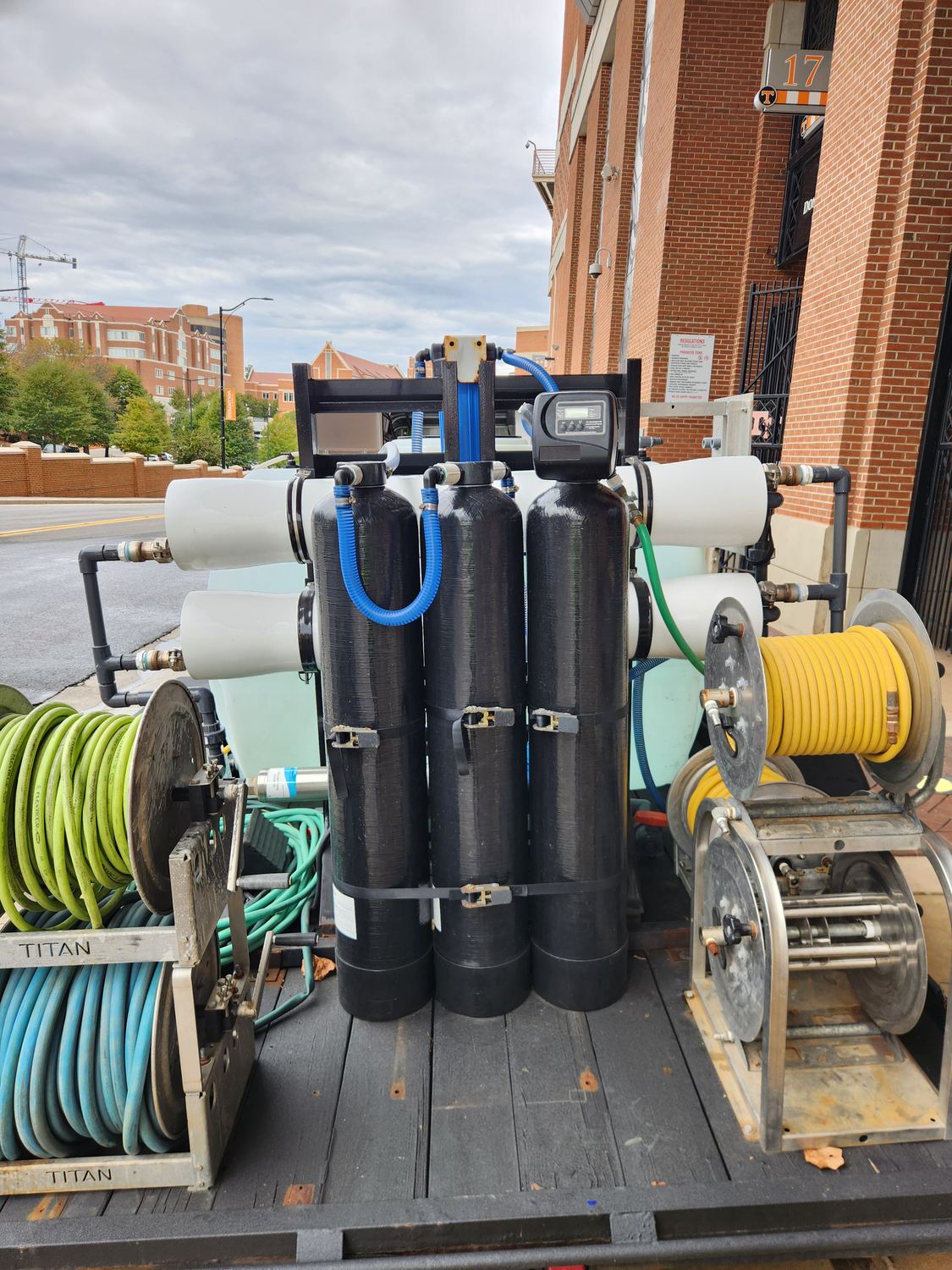
Field-built exterior cleaning system

Green means go, red means stop

Simple method fit.

This is not a pricing engine. It is a buying clarity tool.

GoDrone-supported accessLarge repetitive exterior surfaces, mid/high access, limited lift access, safety-sensitive areas, and commercial maintenance cleans.
ReviewHybrid methodEdges, frames, detail zones, first-time cleans, heavy buildup, and final quality checks may need traditional support.
StopDo not force the droneInterior glass, restoration work, sensitive surfaces, unknown water, blocked staging, or detail expectations that need close-contact control.

System planning framework

Design the ground system before you obsess over the aircraft.

The drone only performs as well as the support system behind it. Water production, storage, filtration, pumps, hose control, chemistry, and crew workflow decide whether the setup makes money in the field.

1. Job mixDefine what you want to clean.Commercial glass, facades, solar panels, roofs, campuses, warehouses, and industrial assets all change the system requirements. Do not buy a package before you know the work.
2. Water and flowPlan production, not just pressure.Pure water quality, flow rate, tank size, pump reliability, reel layout, and hose distance determine whether the drone can work continuously or becomes a bottleneck.
3. Finish standardDecide where the drone hands off.Edges, frames, entrances, heavy buildup, first cleans, and sensitive surfaces may need waterfed poles, hand detail, lifts, or a different access method.

Buying stages

Entry, growth, and enterprise systems should not look the same.

A serious drone cleaning business grows in stages. The smartest first purchase is the one that teaches the operator, protects cash, and can expand into larger work without being rebuilt from scratch.

EntryLearn safely and validate demand.Best for operators proving local demand, learning water and hose workflow, and building sales confidence before carrying a larger system.
GrowthBuild repeatable production.Best for companies adding recurring commercial work, better filtration, stronger hose management, higher flow, and more disciplined training.
EnterpriseStandardize crews and documentation.Best for multi-site service, partner routing, advanced compliance review, documented work plans, and larger commercial clients.

Build sheet

Use this as the bill-of-materials conversation before you buy.

The right system is a chain. If one link is weak, the aircraft waits, the crew fights the hose, the rinse quality suffers, or the job takes too long to be profitable.

AircraftDrone, payload, batteries, controller, spares.Match lift, spray control, serviceability, battery cycle, and payload limits to the surface and the ground system.
WaterSource, RO/DI, DI resin, tanks, transfer, testing.Know gallons per job, pure water needs, TDS targets, fill speed, resin life, and how the crew will recover when source water is worse than expected.
FlowPumps, reels, hose, fittings, manifold, controls.Production depends on reliable flow at working distance. Long hose runs, fittings, and elevation can change what the drone actually receives.
ChemistryMixing, metering, compatibility, runoff planning.Any chemical workflow should account for surface material, dwell time, drift, cleanup, landscaping, storm drains, and legal operating requirements.
Finish toolsWaterfed poles, brushes, squeegees, pads, towels.Traditional tools are not a downgrade. They are how professional crews protect detail quality where aerial work stops.
SupportTraining, documentation, insurance, maintenance.The system also includes operator readiness, SOPs, maintenance routines, parts availability, client communication, and risk planning.

System intake

The fastest way to choose well is to describe the first route.

A system recommendation should start with work type, customer type, water source, access, crew size, budget range, and how quickly the operator needs to be productive.

Tell us the workSolar, commercial glass, facades, roofs, campuses, or mixed exterior cleaning.Why it matters: each route changes aircraft needs, filtration, hose length, finishing tools, chemical controls, and training priorities.
Tell us the constraintsWater quality, staging, vehicle, storage, crew, and operating market.Why it matters: a system that looks right online may be wrong if the operator cannot feed it, transport it, service it, or staff it.
Tell us the goalLearning system, first commercial route, upgrade, partner crew, or service company add-on.Why it matters: the right build should protect cash, reduce downtime, and leave a growth path.

Next step

Move from browsing to a build conversation.

If you already know the first route, shop the core categories. If you are still comparing methods, use the matrix and equipment list before buying.