Startup planning

The real cost to start a drone cleaning business

The drone is not the whole startup cost. The real investment includes training, water production, transport, pumps, reels, hose, chemicals, insurance, compliance, parts, marketing, and the time needed to learn which jobs not to sell.

EquipmentTrainingRisk and sales discipline
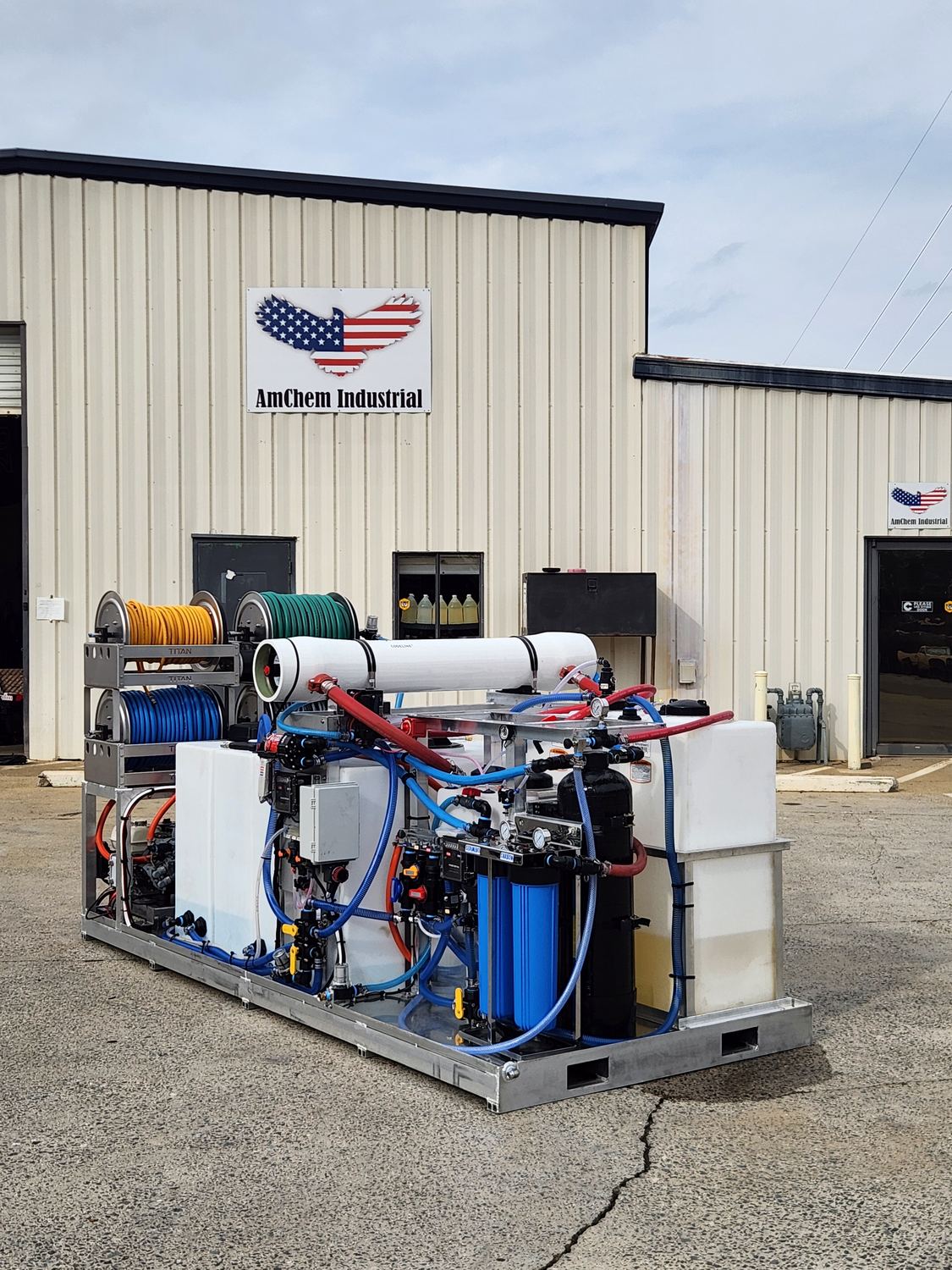
Drone cleaning business startup skid and equipment

Cost buckets

Budget for the operating system, not just the drone.

Operators who under-budget the ground system usually pay later in downtime, poor rinse quality, weak production, missed jobs, or repairs.

Core equipmentDrone, payload, batteries, charger, controller, spares.Plan for battery cycle, replacement parts, nozzles, maintenance, and downtime risk.
Ground systemSkid, tanks, RO/DI, DI, pumps, reels, hose, fittings.This is often where production is won or lost. Water and flow should be planned around target job size.
Business overheadTraining, insurance, compliance, marketing, transport.Include operator readiness, documentation, website/lead generation, vehicle setup, liability review, and time spent learning the market.

Sales discipline

The first mistake is selling jobs your system cannot support.

A startup operator needs confidence, but also restraint. The wrong first jobs can create reputation damage faster than slow sales.

Good early workMaintenance cleans with controllable access.Look for repeatable exterior surfaces, manageable water, safe staging, and customers who understand method review.
Wait or partnerLarge complex sites and high-risk chemistry.Use partners, training, or a more advanced system before taking jobs with public exposure, runoff concerns, or heavy restoration needs.
Avoid earlyRestoration expectations and unclear constraints.Do not learn on sensitive surfaces, unclear water sources, blocked staging, high-risk airspace, or jobs that require close-contact finishing you cannot provide.

Cost reality

Startup cost is more than the aircraft.

A realistic budget includes the drone, ground system, water treatment, hose and reels, supplies, batteries, training, insurance, marketing, travel, spares, and downtime reserve.

EquipmentAircraft, skid, filtration, tanks, pump, hose, reels, controls.These are the visible purchases, but they still need to match a sellable market.
Operating costResin, filters, repairs, fuel, batteries, PPE, chemicals, admin.Recurring costs decide whether the route is profitable after the exciting purchase is over.
Hidden riskUnderfunded training, insurance, spares, and customer acquisition.Many businesses fail from weak systems, not from lack of ambition.

Budget sequence

Spend in the order that reduces uncertainty.

Before buying the largest system possible, operators should confirm buyer type, job size, local restrictions, water conditions, and the services they can actually deliver.

Validate demandTalk to property managers, solar owners, campuses, and contractors.The market should shape the build.
Build leanStart with the system that can serve the first serious lane.A focused route beats a broad but unfunded menu.
Reserve cashKeep money for repairs, training, insurance, and slow months.Cash reserve is part of the equipment plan.

Startup budget model

Plan the first route before buying the biggest setup.

The best starting budget is tied to a specific customer lane: property managers, solar owners, industrial buildings, campuses, exterior cleaning contractors, or partner operators.

Lean routeFocused equipment, focused service, and a narrow buyer profile.Use when: you are proving demand, working smaller sites, partnering with cleaners, or adding drone support to an existing exterior cleaning business.
Commercial routeMore water capacity, better redundancy, stronger documentation, and trained crew roles.Use when: you are targeting campuses, commercial glass, solar fields, industrial buildings, or repeat accounts with site controls.
Growth routeMultiple operators, extra batteries, spare parts, marketing, insurance, and partner support.Use when: you already have sales momentum and need uptime, scheduling discipline, and consistent quality across jobs.

Next step

Turn the budget into a system plan.

If the goal is to start selling drone cleaning, the next decision is not only what to buy. It is what job type you can safely deliver, document, and repeat.