Resource

Roof work needs more than a flight plan.

How to think about roof cleaning drones, softwash support, access, runoff, and training.

Built from field experience Real jobs, not hype Drone, waterfed, skid, chemistry, and traditional tools
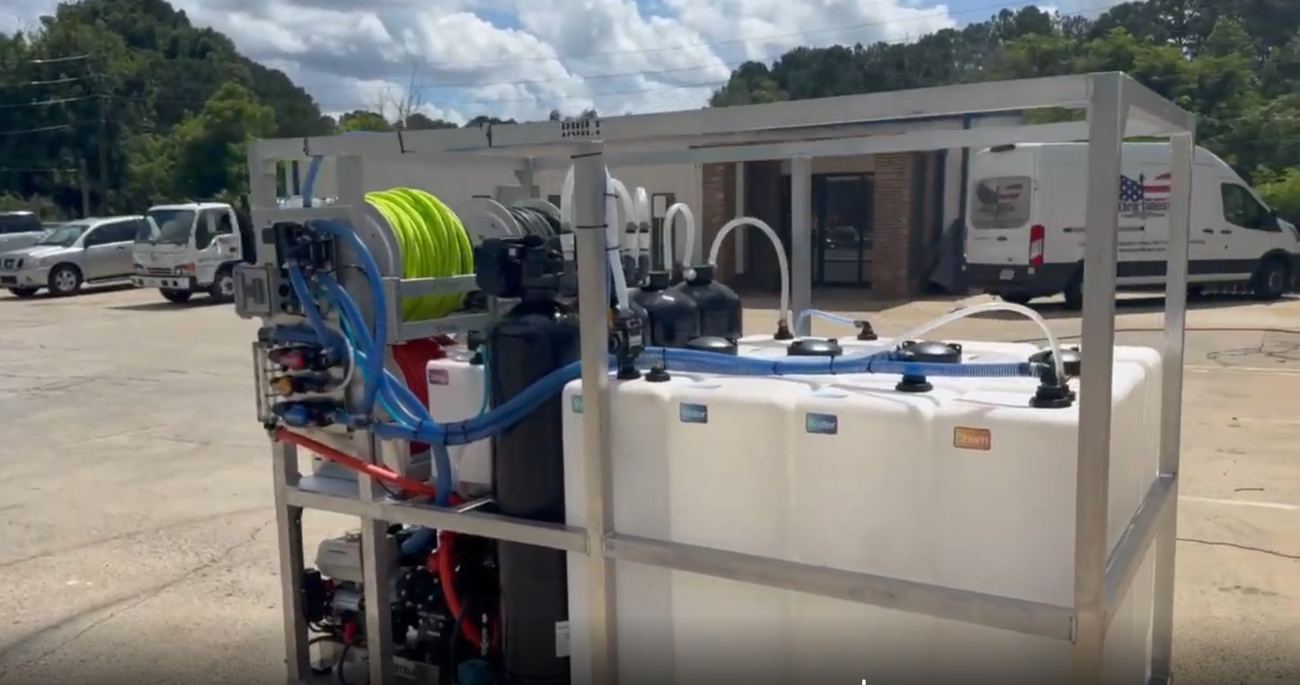
Field-built exterior cleaning system

Operator context

Roof Cleaning Drone Systems

Roof cleaning with drones requires chemistry awareness, runoff planning, surface caution, water support, and local rules. Some roofs make sense. Some should stay traditional.

FitMatch the method to the job.Roof method fit depends on material, slope, runoff, landscaping, chemistry, wind drift, and whether aerial support reduces foot traffic responsibly.
SystemThink in complete systems.A roof cleaning system needs controlled application, rinse and flush planning, property protection, and surface-specific decision making.
Next stepUse the right buying path.Use this page to review roof cleaning risk before buying gear or quoting aerial application.

Roof cleaning fit

Roof work needs surface, chemistry, and runoff review before flight.

Drone-supported roof cleaning can reduce access risk in the right situation, but roof material, pitch, runoff, landscaping, chemistry, and finish expectations can make another method safer or more precise.

Potential fitRepeatable roof surfaces with controlled surroundings.Useful when access is risky, application can be controlled, runoff can be planned, and the roof material tolerates the method.
Needs reviewChemistry, landscaping, and drainage.Downspouts, plants, patios, vehicles, walkways, and storm drains change how the job should be staged and rinsed.
Do not forceFragile, unknown, or restoration-sensitive roofs.Some roof surfaces need close inspection, low-pressure ground methods, or traditional access rather than aerial application.

Roof fit

Roof cleaning has different risks than wall or glass cleaning.

Roof work brings runoff, landscaping, roof material, overspray, wind, and chemical compliance into the same decision. The aircraft is only useful if those risks are controlled.

Best useSelected large roof areas with controlled chemistry and drainage.Drone support can reduce foot traffic on some roofs when the cleaning plan is already sound.
Review firstMaterial, slope, gutters, landscaping, nearby property, and runoff.Roof cleaning should start with where the water and product go after contact.
AvoidBrittle tile, fragile coatings, unknown drainage, or uncontrolled overspray.Aerial application is not a shortcut around roof chemistry, surface knowledge, or environmental responsibility.

System requirements

Roof systems need metering discipline and ground control.

The system must keep product delivery predictable while the ground crew protects property, landscaping, and water paths.

ApplicationMeter product accurately and know what is being applied.Operators should be able to explain dilution, dwell, rinse plan, and stop conditions.
ProtectionPre-wet, divert, cover, rinse, and inspect vulnerable areas.Landscape and runoff protection are part of the job, not optional extras.
DocumentationRecord scope, product, weather, access, and exceptions.Roof cleaning creates more liability when crews cannot show how the job was controlled.

Roof review checklist

Roof cleaning starts with what can be damaged.

Before a drone-supported roof job is quoted, the operator should understand roof material, nearby property, downspouts, landscaping, weather, chemical control, and who has authority to approve the work.

SurfaceIdentify material, age, coating, pitch, and existing damage.Watch: brittle tile, oxidized metal, granule loss, patched areas, skylights, solar equipment, vents, and unknown coatings.
RunoffKnow where every gallon goes.Watch: gutters, downspouts, storm drains, plants, patios, vehicles, pools, public walkways, and areas that need pre-wet or rinse protection.
ControlMatch chemistry, dwell, weather, and application method.Watch: wind drift, overspray, dilution, dwell time, rinse plan, ground crew communication, and stop conditions.

Next step

Do not sell roof drone cleaning without method review.

Some roof work fits aerial support. Some roof work needs traditional cleaning, more inspection, or a no-bid decision. The method should follow the risk review.