Service quotes

A smarter way to review commercial exterior cleaning.

Commercial drone cleaning review for building owners and property managers, with method fit, water access, staging, and operator routing.

Built from field experience Real jobs, not hype Drone, waterfed, skid, chemistry, and traditional tools
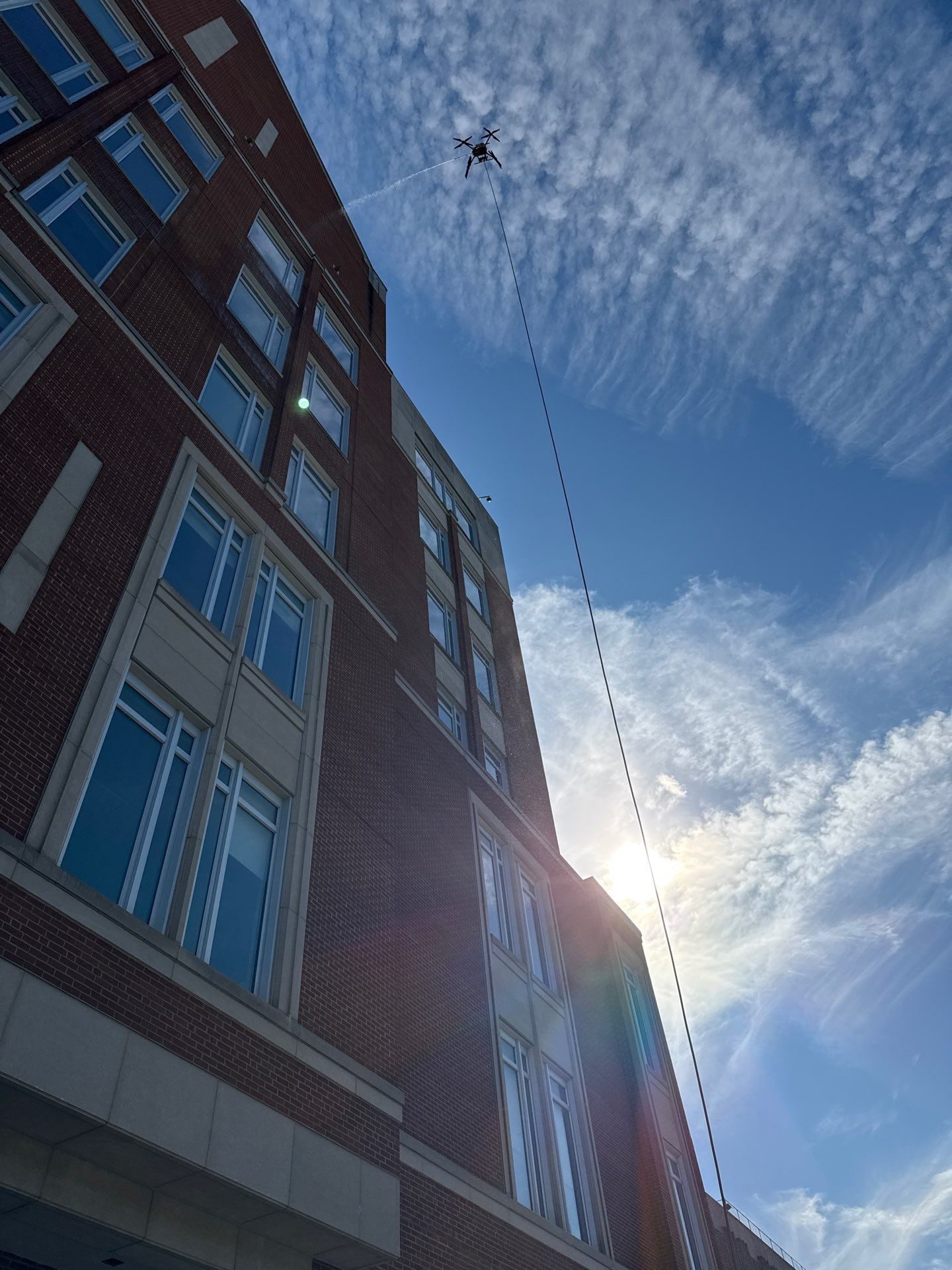
Field-built exterior cleaning system
Start with fitCommercial cleaning should be reviewed before it is quoted.Key inputs: height, surface, water access, pedestrian flow, operating window, finish standard, and whether drone support reduces disruption.
Best candidatesDrone support works where access and repetition line up.Look for: repeatable glass, facade panels, warehouses, campuses, solar assets, and exterior rinse zones with controlled staging.
Conversion pathSend the building details and get a method recommendation.Next step: use the service review path so the answer can be drone, waterfed, hybrid, traditional access, or partner routing.

Commercial buyer guide

Commercial drone cleaning is useful when access, disruption, and repeatability line up.

For property teams, the question is not whether a drone can spray water. The question is whether drone-supported work is the safest, cleanest, least disruptive way to maintain that specific asset.

Strong fitLarge repeatable exterior surfaces.Commercial glass, facade panels, warehouses, campuses, solar assets, and mid/high access areas can benefit when staging and water are workable.
Review firstOccupied properties and public exposure.Entrances, sidewalks, parking lots, landscaping, tenants, pedestrians, and operating windows can change the method and crew plan.
Wrong promiseDrone cleaning is not automatic restoration.Oxidation, mineral staining, construction debris, sensitive finishes, and neglected first cleans may require agitation, chemistry control, or traditional access.

Project workflow

A professional commercial review moves in stages.

The right process protects both the buyer and operator. It turns a vague request into a method recommendation, scope, and next step.

1. IntakeCollect photos and facts.Building height, surface type, last clean, water availability, access constraints, operating window, and finish expectations.
2. Method reviewMatch tool to outcome.Drone-supported, hybrid, waterfed, lift, rope access, or hand work should be chosen based on the building, not a sales script.
3. DocumentationSet clear expectations.Scope notes, limitations, safety plan, runoff assumptions, photo proof, and customer communication reduce surprises.

Commercial fit

Commercial buyers need a method review before a promise.

The strongest commercial drone cleaning opportunities are repeatable exterior surfaces where access is difficult, disruption is costly, and finish expectations can be defined.

Good candidatesFacades, commercial glass, warehouses, campuses, solar, and panels.These jobs can benefit when staging, water, and surface conditions are predictable.
Review factorsHeight, water, runoff, public exposure, wind, surface, and schedule.The method should be explained before price becomes the only conversation.
Poor candidatesRestoration, fragile surfaces, unclear permissions, and heavy detail work.A responsible service review redirects work when drone support is not the best method.

Buyer questions

What to ask before hiring a drone cleaning crew.

Commercial buyers should ask how the crew handles safety, water, weather, finish standards, insurance, chemical use, and closeout documentation.

ScopeWhat surfaces are included and excluded?Clear scope prevents the drone from being blamed for work it was never meant to do.
ControlWho manages water, public areas, flight, and ground communication?Good crews assign roles instead of improvising.
ProofWhat photos, notes, or maintenance recommendation will be delivered?Closeout should help the property plan future cleaning.

Service review packet

Send the facts that let a commercial reviewer give a useful answer.

A strong service review packet helps determine whether the job belongs with drone-supported cleaning, waterfed cleaning, hybrid work, traditional access, or a partner operator.

Property detailsBuilding type, height, surface, last clean, and problem areas.Helpful photos: full elevations, closeups, entrances, roofline, access points, water source, drains, sidewalks, and parking areas.
Site conditionsWater access, public exposure, schedule, tenants, and restrictions.Helpful notes: operating windows, security rules, blocked areas, landscaping, traffic, nearby property, and whether the building stays open.
Finish expectationMaintenance cleaning, first clean, restoration concern, or inspection support.Helpful clarity: expected result, known staining, sensitive materials, photo documentation needs, and future maintenance timing.

Next step

Request a method review before asking for a number.

The right first answer is method fit. Once the method is clear, pricing, routing, operator support, and schedule become much easier to handle.