Resource
Clean water is part of the finish.
DI water filtration, RO/DI planning, water quality, spotting control, and commercial cleaning system design.
Built from field experience
Real jobs, not hype
Drone, waterfed, skid, chemistry, and traditional tools
Operator context
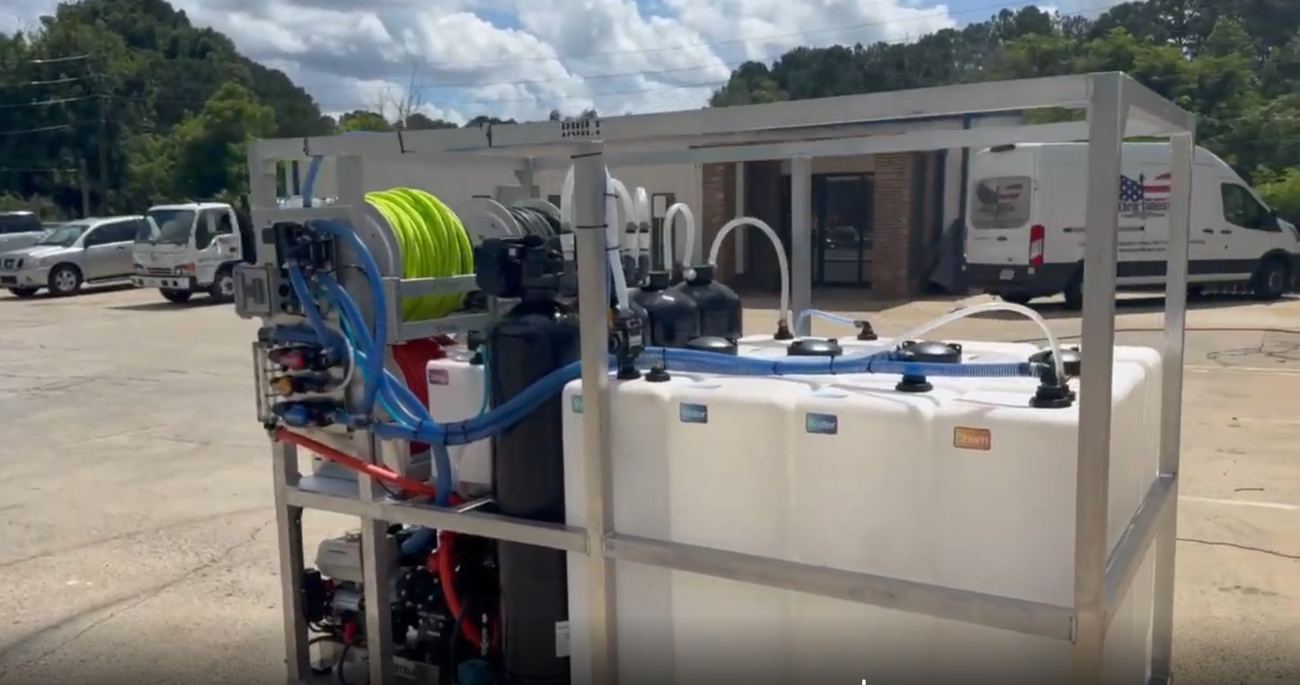
DI Water Filtration for Drone and Window Cleaning
Water quality controls spotting, rinse performance, and client satisfaction. Drone cleaning, waterfed poles, and traditional exterior cleaning all need the right filtration conversation.
Pure water field guide
Water quality decides whether glass and solar work finish clean.
DI and RO/DI planning is not a side detail. Source water quality, TDS, flow rate, resin life, tank capacity, and rinse expectations all affect production and finish quality.
Troubleshooting
Most water problems show up as finish problems.
When the result is poor, inspect the whole water path before blaming the drone or operator.
Pure water discipline
DI water is a quality system, not just a filter.
Spot-free work depends on source water, resin condition, flow rate, rinse volume, surface heat, previous contamination, and whether the crew tests at the right time.
Troubleshooting
When spots appear, diagnose before blaming the method.
Minerals, hydrophobic glass, soap residue, poor rinse, heat, dirty frames, and contaminated brushes can all leave marks.
Filtration sizing
Choose DI or RO/DI from water facts, not habit.
The right filtration setup depends on source TDS, gallons per job, required finish, travel pattern, refill access, and whether the same water feeds drone, waterfed, solar, or glass work.
Next step
Build water quality into the system plan.
Filtration is not an accessory when the finish depends on it. Plan it before choosing tank size, pump flow, hose length, or route pricing.