Resource

Clean water is part of the finish.

DI water filtration, RO/DI planning, water quality, spotting control, and commercial cleaning system design.

Built from field experience Real jobs, not hype Drone, waterfed, skid, chemistry, and traditional tools
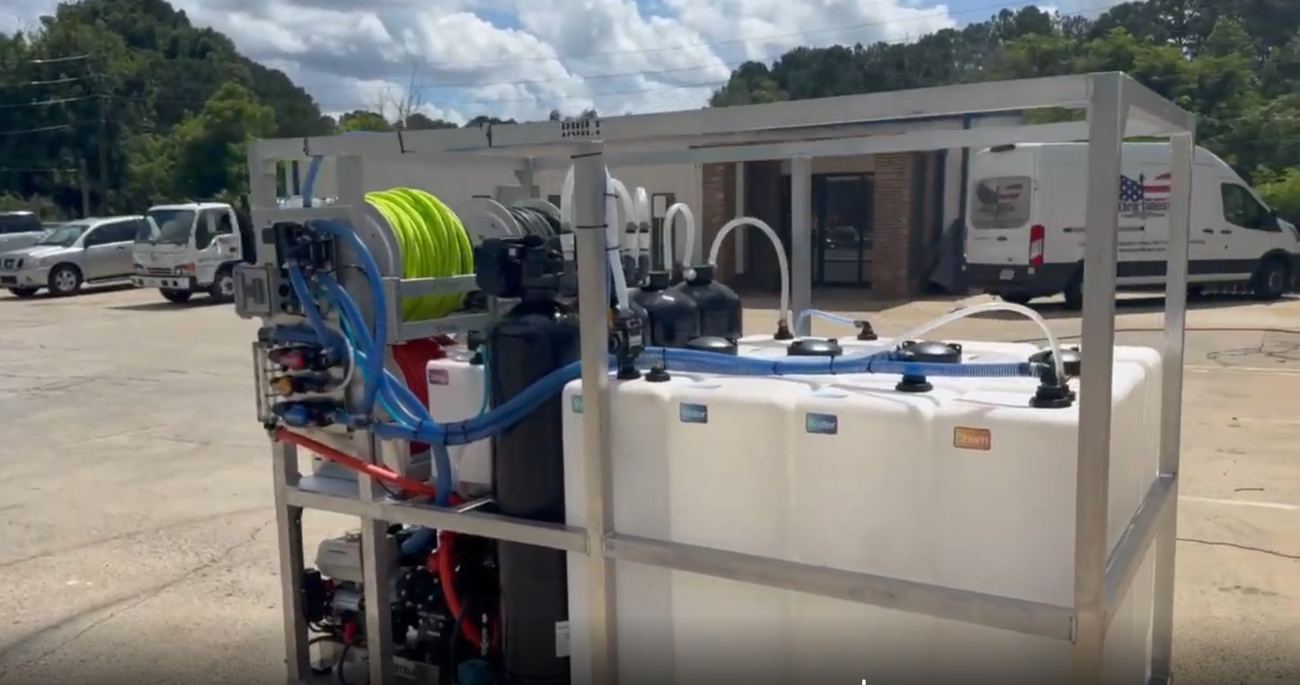
Field-built exterior cleaning system

Operator context

DI Water Filtration for Drone and Window Cleaning

Water quality controls spotting, rinse performance, and client satisfaction. Drone cleaning, waterfed poles, and traditional exterior cleaning all need the right filtration conversation.

FitMatch the method to the job.DI filtration decisions start with source water, TDS target, resin cost, expected gallons, and how critical spot-free finish is to the job.
SystemThink in complete systems.The water system should include testing, resin planning, flow control, hose strategy, and a process for diagnosing spotting.
Next stepUse the right buying path.Use this page to understand water quality first, then choose DI or RO/DI equipment that fits the volume and source water.

Pure water field guide

Water quality decides whether glass and solar work finish clean.

DI and RO/DI planning is not a side detail. Source water quality, TDS, flow rate, resin life, tank capacity, and rinse expectations all affect production and finish quality.

TDSTest source water before promising spotless results.High dissolved solids can exhaust resin quickly and create spotting if filtration is undersized or poorly maintained.
RO/DI vs DIChoose filtration around volume and source water.DI-only setups may work in some conditions, while higher-volume or higher-TDS work often needs RO/DI planning for better resin economy.
FlowFiltration must keep up with the job.The drone, waterfed poles, and rinse plan need enough clean water at working speed, not just clean water in theory.

Troubleshooting

Most water problems show up as finish problems.

When the result is poor, inspect the whole water path before blaming the drone or operator.

SpottingCheck TDS, resin, rinse volume, and surface heat.Hot glass, dirty frames, high TDS, insufficient rinse, and contaminated brushes can all create poor finish quality.
Low productionCheck pump, hose, elevation, filters, and reels.Flow restrictions can come from fittings, long hose runs, clogged filters, undersized pumps, or poor reel layout.
Short resin lifeCheck source water and pre-filtration.Bad source water or high-volume work can burn through DI resin if RO planning or pre-filtration is missing.

Pure water discipline

DI water is a quality system, not just a filter.

Spot-free work depends on source water, resin condition, flow rate, rinse volume, surface heat, previous contamination, and whether the crew tests at the right time.

TestMeasure source water and output water before the job.TDS readings should guide resin use and customer expectations.
PlanMatch DI, RO, or RO/DI to source water and volume.High TDS or large jobs can burn through resin fast if production is not planned.
AvoidDo not trust old resin, unknown source water, or hot glass blindly.Spotting complaints usually come from skipped testing or wrong assumptions.

Troubleshooting

When spots appear, diagnose before blaming the method.

Minerals, hydrophobic glass, soap residue, poor rinse, heat, dirty frames, and contaminated brushes can all leave marks.

Check waterRetest output at the brush or delivery point.A good reading at the tank does not prove the final rinse is clean.
Check surfaceLook for oxidation, sealant, hard-water history, or construction debris.Some marks are not solved by pure water alone.
Check processRinse volume, dwell, brush cleanliness, and edge detail.Small process errors show up quickly on glass and solar panels.

Filtration sizing

Choose DI or RO/DI from water facts, not habit.

The right filtration setup depends on source TDS, gallons per job, required finish, travel pattern, refill access, and whether the same water feeds drone, waterfed, solar, or glass work.

DI-only fitLower volume or lower TDS situations where resin use is manageable.Watch: resin cost, output TDS, job size, glass heat, rinse volume, and how often the operator can test and replace media.
RO/DI fitHigher volume, higher TDS, or recurring commercial work.Watch: production rate, tank storage, waste water handling, pump support, membrane care, and whether the system keeps up with the crew.
Hybrid water fitMixed routes where drone and waterfed tools share the same clean-water supply.Watch: simultaneous demand, hose layout, final rinse point, meter placement, and who is responsible for water checks during the job.

Next step

Build water quality into the system plan.

Filtration is not an accessory when the finish depends on it. Plan it before choosing tank size, pump flow, hose length, or route pricing.