Start here

Drone cleaning is a system, not a shortcut.

A practical field-built guide to drone cleaning equipment, skids, filtration, chemistry, training, and method fit.

Built from field experience Real jobs, not hype Drone, waterfed, skid, chemistry, and traditional tools
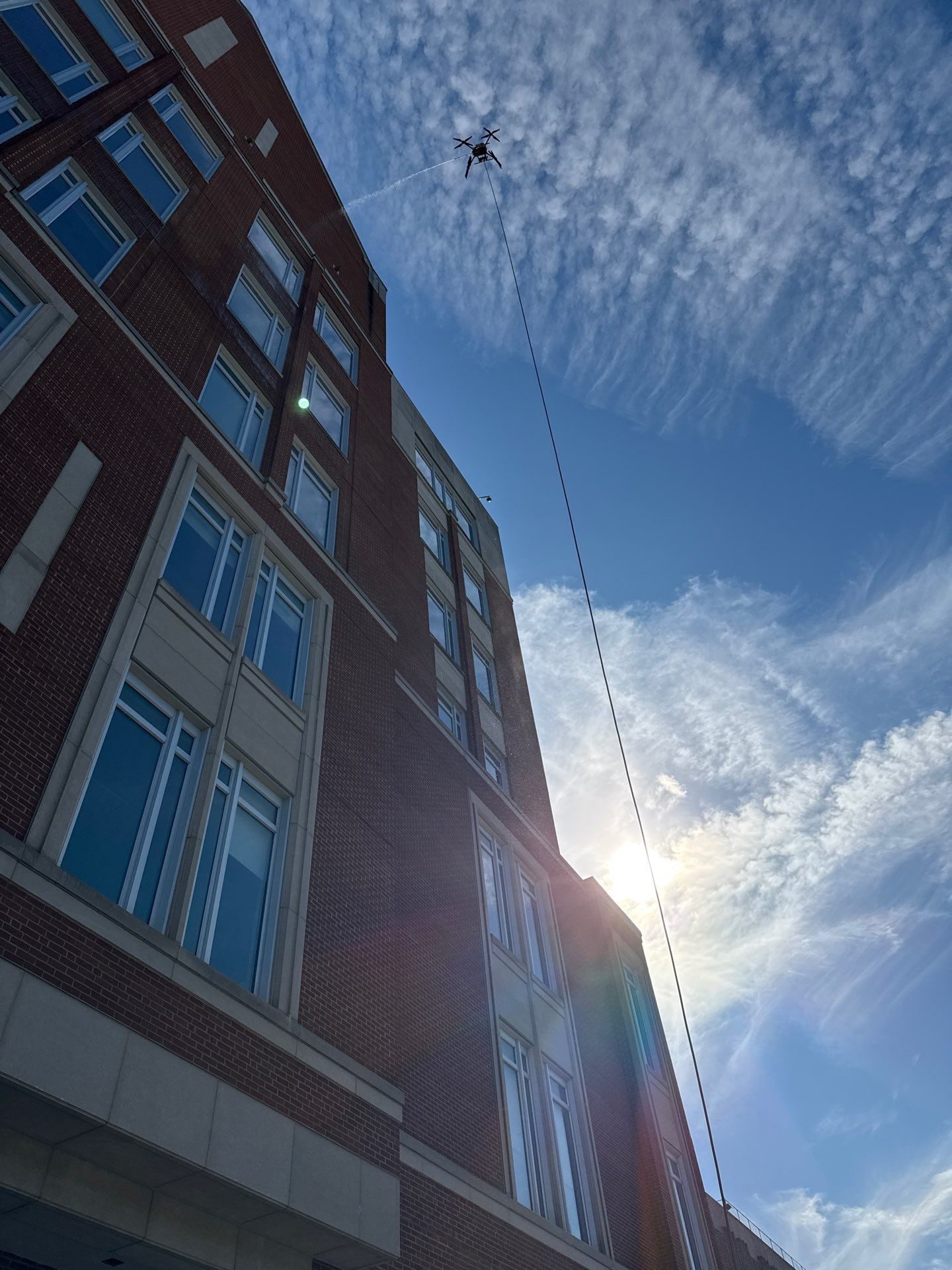
Field-built exterior cleaning system
Method fitThe drone solves access problems, not every cleaning problem.Use it for: repeatable exterior reach, tall rinse zones, commercial glass, solar arrays, and buildings where lift access is slow or disruptive.
System thinkingThe ground setup decides whether the aircraft can produce.Plan for: water flow, filtration, pumps, hose, chemistry control, crew roles, finishing tools, and documented stop conditions.
Buyer pathRead the guide, then choose the system or service path.Next step: operators should build the right package; property teams should request a service review.

Method-fit framework

Drone cleaning works best when the job matches the method.

A drone is a delivery platform. The business is the whole cleaning system: site review, water, chemistry, access control, operator skill, finishing standards, and knowing when to stop flying.

Best forRepetitive exterior access problems.Commercial glass, certain facades, solar arrays, tall rinse zones, warehouses, campuses, and exterior maintenance where lift access is slow, costly, or disruptive.
Needs reviewHybrid work and first cleans.Heavy buildup, edges, frames, oxidized surfaces, sensitive finishes, and detail zones may need traditional tools before or after drone-supported work.
Not forJobs that require close-contact control.Interior glass, delicate restoration, blocked staging, uncertain water, unmanaged chemical runoff, or finish expectations that cannot be met from the air.

Compliance basics

Professional drone cleaning is aviation plus exterior cleaning.

Commercial work can involve aviation rules, site safety, insurance, chemical handling, runoff control, and client documentation. Operators should treat compliance as part of the service, not a paperwork afterthought.

AviationKnow the operating rules before selling the job.U.S. commercial drone operators should understand Part 107, airspace, visual line of sight, site control, night operations, operations over people, and payload limitations where applicable.
ChemistryControl what leaves the nozzle.Soap, surfactants, bleach, and specialty cleaners change the risk profile. The right method considers surface material, dilution, drift, runoff, and local environmental expectations.
InsuranceClients buy risk reduction.Enterprise buyers care about liability, documentation, communication, and whether the operator can explain why the selected method is appropriate for the building.

Operator decision checklist

Before you call it a drone job, answer these questions.

This is the practical filter that separates serious operators from people who only bought hardware. The answer can be drone, hybrid, traditional, or not enough information yet.

SurfaceWhat are you cleaning and what condition is it in?Maintenance glass, facade panels, solar panels, roof surfaces, oxidation, mineral staining, organic growth, and post-construction debris all behave differently.
WaterCan the system feed the work?Know source water quality, pure-water requirements, tank capacity, filtration speed, pump flow, hose length, pressure drop, and refill logistics before quoting production.
AccessCan the operator control the site?Review people, cars, landscaping, public walkways, roof edges, wind exposure, airspace, staging distance, and whether a traditional method is safer or more precise.
ChemistryWhat happens after the chemical leaves the nozzle?Surface material, dwell time, dilution, runoff, drift, landscaping, storm drains, and local rules matter. Some jobs should avoid aerial chemical application entirely.
FinishWhat does the customer expect to see?Drone-supported work may be ideal for large repeatable surfaces, but frames, corners, entrances, heavy buildup, and first cleans often need a hybrid finish plan.
ProofHow will you document the job?Photos, notes, weather, limitations, method recommendation, customer expectations, and after-action documentation make the service easier to sell and defend.

Guide summary

The right answer is usually method fit first, equipment second.

Drone cleaning becomes useful when the surface, access, water, site control, operator skill, and finish expectation all line up. When they do not, the professional answer is hybrid, traditional, more review, or no bid.

Use drone supportWhen access and repetition create real value.Best signs: large exterior surfaces, controlled staging, defined finish standard, good water plan, trained crew, and low disruption value for the buyer.
Use hybrid supportWhen production and detail need different tools.Best signs: drone-ready main surfaces plus frames, entrances, edges, first-floor detail, or waterfed/hand finish expectations.
Do not force itWhen the method creates unmanaged risk.Stop signs: unclear permissions, uncontrolled runoff, unknown surface, fragile material, unsafe wind, public exposure, or restoration expectations.

Next step

Choose the path that matches why you came here.

Operators should build the right system and training path. Property teams should request a method review. Researchers should use the resources hub to go deeper.