Resource

Supplies are what keep the job moving.

Exterior cleaning supplies, parts, tools, fittings, chemistry support, water systems, and operator training.

Built from field experience Real jobs, not hype Drone, waterfed, skid, chemistry, and traditional tools
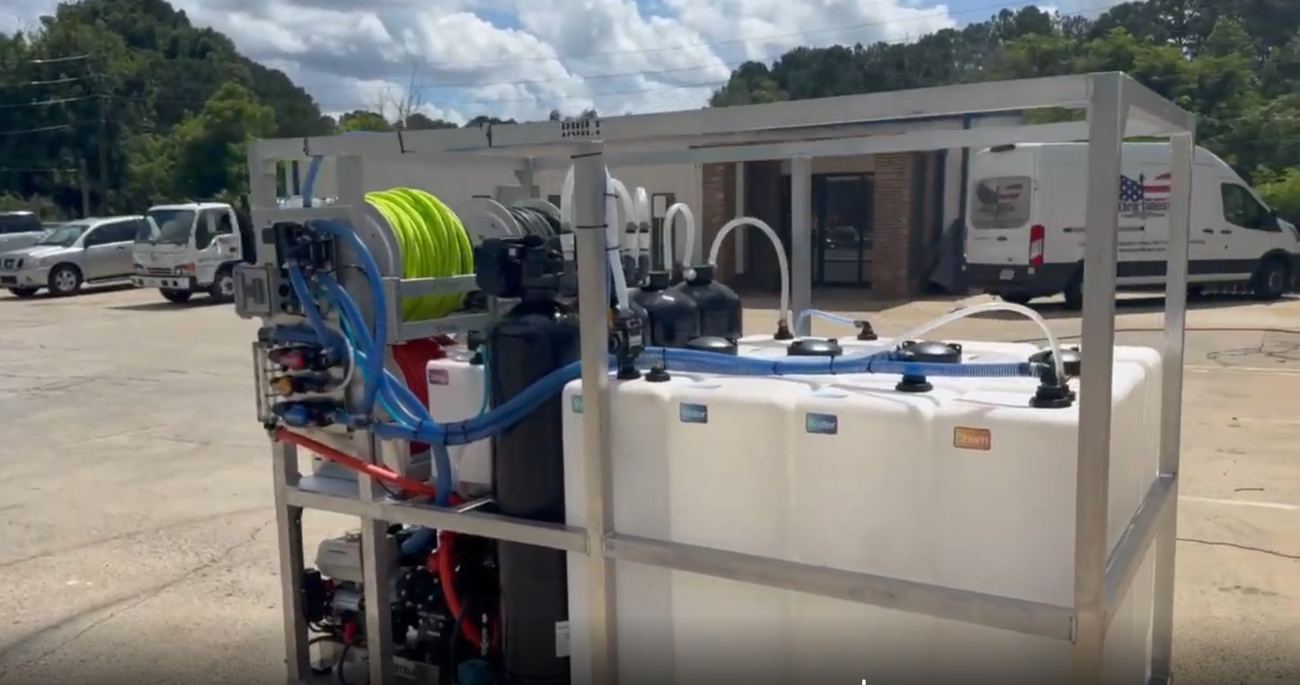
Field-built exterior cleaning system

Operator context

Exterior Cleaning Supplies for Operators

Operators need the everyday parts and tools that prevent downtime: fittings, hose, filters, brushes, squeegees, nozzles, safety gear, and backup components.

FitMatch the method to the job.Supplies should be selected by the failure points they prevent: leaks, clogged filters, poor rinse quality, missing detail tools, and unsafe setup.
SystemThink in complete systems.A complete supply setup includes consumables, repair parts, PPE, meters, finish tools, fittings, hose control, and job closeout basics.
Next stepUse the right buying path.Use this page to organize the field shelf before buying extras that do not solve real job problems.

Supplies workflow map

Supplies should be organized around the work they support.

Exterior cleaning supplies are easier to buy when grouped by workflow: water production, chemical application, hose management, surface agitation, finishing, safety, and maintenance.

WaterFilters, resin, TDS meters, fittings, tanks.These protect rinse quality and production for drone, waterfed, glass, and solar workflows.
ChemistryProducts, metering, PPE, containment awareness.Product choice should match surface, soil load, runoff risk, and operator capability.
Finish and repairBrushes, pads, squeegees, nozzles, seals, spares.Small parts and traditional tools keep jobs from stopping when field conditions change.

Supply planning

Build the shelf around failure points, not wish lists.

A professional exterior cleaning setup needs enough inventory to keep the crew moving when water, hose, fittings, brushes, or finish tools fail mid-job.

Carry firstO-rings, quick connects, hose repair, nozzles, tape, clamps.These are small items, but they decide whether a crew finishes the day or drives back to the shop.
Track consumptionResin, filters, surfactant, neutralizer, PPE, towels.Consumables should be forecast from real job volume, not from one starter kit that looked complete online.
Avoid clutterDo not buy every accessory before the workflow is proven.Extra parts help only when they match the system. Unmatched fittings and duplicate tools create confusion in the field.

Crew workflow

Supplies should be packed by task stage.

The cleanest crews stage supplies in the order they are used: water setup, access, application, rinse, detail, teardown, and repair.

Setup binMeters, filters, fittings, hose tools, and leak control.This bin solves water and connection problems before the aircraft or pole ever starts working.
Finish binPads, brushes, squeegees, detailing towels, and edge tools.A drone can improve reach, but the final customer impression often comes from ordinary finish work.
Safety binPPE, cones, signage, first-aid, spill response, and site paperwork.Supply planning is incomplete if the crew cannot protect people, landscaping, finishes, and access areas.

Supply system

A good supply list mirrors the job sequence.

The strongest operators pack supplies by stage so the crew knows where to look when setup, application, rinse, detail, safety, or repair problems appear.

Before cleaningWater test, connect, protect, and stage.Pack: TDS meter, hose fittings, shutoffs, cones, PPE, towels, plant protection basics, and quick leak-control parts.
During cleaningApply, rinse, brush, detail, and monitor.Pack: nozzles, brushes, pads, waterfed parts, squeegees, spare batteries, communication tools, and surface-safe consumables.
After cleaningInspect, repair, document, and restock.Pack: photo workflow, spare O-rings, resin/filter log, chemical log, job notes, and a restock checklist before the next route.

Next step

Buy supplies that prevent downtime first.

Start with the parts that keep water moving, surfaces safe, and jobs finished. Then expand around the services you repeat most often.