Resource

Solar cleaning is a water-quality conversation.

Solar panel cleaning equipment, water quality, access method, brushes, and drone-supported considerations.

Built from field experience Real jobs, not hype Drone, waterfed, skid, chemistry, and traditional tools
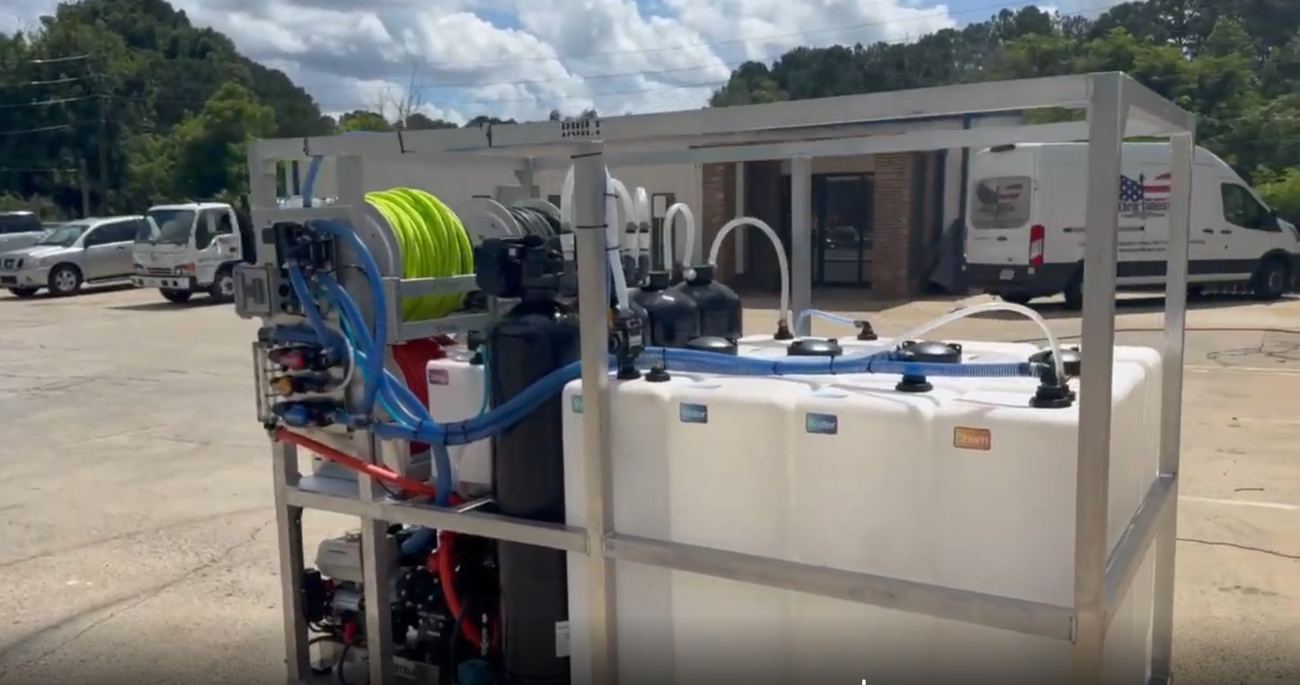
Field-built exterior cleaning system

Operator context

Solar Panel Cleaning Equipment

Solar work often depends on pure water, gentle contact, safe access, and production planning. Drone support may fit some layouts, while waterfed systems or specialty tools may fit others better.

FitMatch the method to the job.Solar cleaning method fit depends on panel count, source water, TDS, access lanes, panel temperature, and manufacturer guidance.
SystemThink in complete systems.A solar setup needs pure water, soft agitation, hose planning, safe access, production tracking, and conservative cleaning choices.
Next stepUse the right buying path.Use this page to plan solar cleaning equipment around panel safety and repeatable production.

Solar cleaning system

Solar work is about water quality, surface safety, and production planning.

Solar cleaning can be a strong use case for drone-supported or waterfed workflows, but the system must protect panels, manage rinse quality, and move efficiently across the site.

Water qualityPure water helps protect finish quality.Spotting, mineral residue, and poor rinse technique can undermine panel cleaning. Test water and plan filtration capacity.
Surface careAvoid damage and harsh assumptions.Review panel manufacturer guidance, soil type, heat, access, electrical safety, and whether contact tools are required.
ProductionPlan site movement before quoting.Large arrays need water logistics, hose routing, battery cycle, crew staging, and a method that does not waste time between sections.

Solar cleaning fit

Solar work is a water-quality and access problem first.

The core question is whether the system can clean efficiently without damaging panels, leaving mineral spots, creating electrical risk, or wasting water.

Best fitLarge arrays with repeatable rows and controlled access.Drone or waterfed support can improve production when layout, water, and safety are planned.
Must checkTDS, panel temperature, manufacturer guidance, access lanes, and runoff.Poor water quality or hot panels can turn a cleaning job into a spotting or damage complaint.
AvoidDamaged panels, unsafe electrical conditions, unknown coatings, or harsh chemistry.Solar cleaning should be conservative, documented, and aligned with panel requirements.

Production planning

Count panels, not guesses.

A useful estimate separates panel count, row spacing, water source, transfer distance, soil type, access, and expected maintenance interval.

ResidentialSmall arrays need careful setup time control.The wrong system can spend more time staging than cleaning.
CommercialLarge arrays punish weak flow and poor hose logistics.Panel count, row layout, and refill time drive production.
Utility scaleOperational approvals and repeatable process matter most.Big solar sites need documented safety, water, and communication plans.

Equipment checklist

Solar cleaning equipment should protect panels and production.

Solar jobs are usually won or lost through water quality, access planning, temperature judgment, and repeatable movement across the array.

Water qualityTest before, during, and after the job.Core tools: TDS meter, filtration sized to source water, clean storage, reliable transfer, and a rinse plan that avoids mineral residue.
Panel safetyUse conservative cleaning pressure and surface contact.Core checks: manufacturer guidance, panel temperature, cracked glass, damaged wiring, loose mounts, and whether brush contact is appropriate.
Route controlPlan row movement, hose path, and proof of completion.Core workflow: count panels, split zones, document before and after photos, track water use, and keep public or site traffic away from the route.

Next step

Choose solar gear by water, access, and panel count.

For solar work, the right setup may be drone-supported, waterfed, ground-based, or hybrid depending on the site layout and risk profile.