Comparisons

Compare systems by the work they can actually support.

A practical comparison framework for drone cleaning manufacturers, systems, water requirements, training, and support.

Built from field experience Real jobs, not hype Drone, waterfed, skid, chemistry, and traditional tools
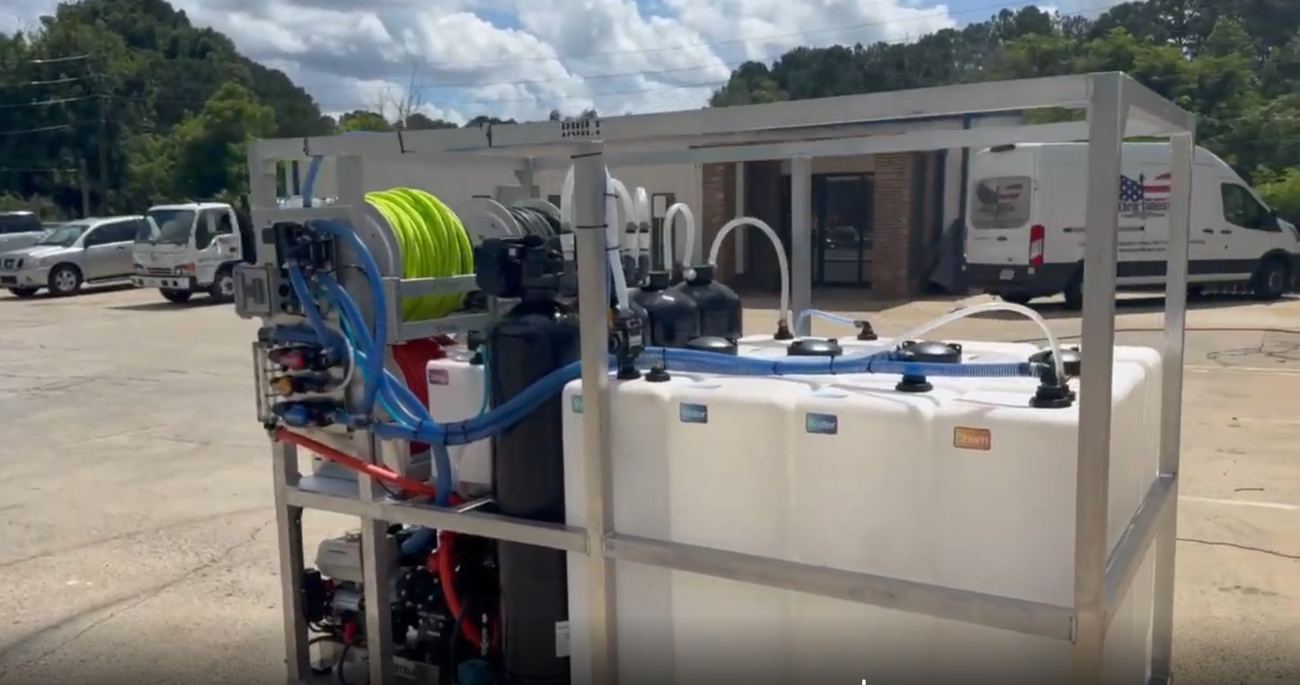
Field-built exterior cleaning system
Compare the workflowAircraft specs are only one part of the decision.Check: support, parts, training, payload, water integration, controls, serviceability, warranty path, and job-fit guidance.
Fit by operatorA campus crew and startup operator may need different systems.Compare by: target surfaces, crew size, route type, water source, budget, risk tolerance, and production expectations.
Decision pathThe right brand should explain poor-fit jobs too.Next step: use a field lens before buying so the system matches your jobs instead of a brochure promise.

Comparison criteria

Compare manufacturers by the whole workflow.

The best system is not always the flashiest aircraft. Compare manufacturers by fit, support, serviceability, training, water integration, parts, documentation, and real commercial use cases.

System fitWhat jobs is it actually built for?Commercial glass, facades, solar, roof, industrial, and training use cases should not be treated as the same buying decision.
SupportWhat happens after purchase?Parts, repairs, onboarding, training, documentation, troubleshooting, and upgrade paths matter when a paid job is on the calendar.
Ground integrationDoes it work with the water system?Aircraft specs mean less if the skid, hose, filtration, chemistry, and crew workflow are not designed to support it.

Comparison framework

Compare manufacturers by field support, not brochure confidence.

The useful question is not which brand sounds most advanced. It is which system can be operated, serviced, trained, and supported on commercial jobs.

Ask firstWhat problem does this system solve better than alternatives?A strong manufacturer can explain ideal jobs, poor-fit jobs, and the required support equipment.
VerifyParts, warranty, training, documentation, and repair path.Downtime support matters more after the purchase than the launch video did before it.
Be carefulAvoid vague claims about replacing every exterior cleaning method.A responsible manufacturer should know when drone support is the wrong answer.

Buyer interview

Questions to ask before buying.

A serious equipment conversation should expose operating cost, maintenance, compliance assumptions, consumables, training, crew roles, and the type of work the system is built to win.

OperationsWhat crew size, water source, hose length, and job type is assumed?If the assumed job does not match your market, the comparison is not useful.
ComplianceWhat can and cannot be applied from the aircraft?Operators need plain answers about water-only work, chemistry, permissions, and documentation.
SupportWhat happens when something breaks before a scheduled commercial job?The answer should include parts, troubleshooting, and realistic turnaround.

Comparison scorecard

Ask questions that expose field reality.

A useful manufacturer comparison should make the buyer more specific: what work, what water, what crew, what training, what support, and what happens when the job does not fit.

System proofShow the complete setup, not only the aircraft.Ask for: skid layout, water source assumptions, hose lengths, pump sizing, filtration, battery cycle, payload limits, and field repair guidance.
Training proofExplain how operators learn job-fit decisions.Ask for: training scope, safety standards, water/chemistry education, service review workflow, closeout documentation, and poor-fit examples.
Support proofDefine the help path before the first breakdown.Ask for: parts inventory, warranty handling, troubleshooting support, upgrade path, replacement timelines, and who answers field questions.

Next step

Compare systems against your actual route.

The right system is the one that can support your first profitable work repeatedly, not the one with the broadest claim.